Every step toward sobriety matters.
Practical, evidence-aware information for people exploring sobriety, alcohol recovery, and healthier alcohol-free living — without judgement and without pretending recovery follows one path.
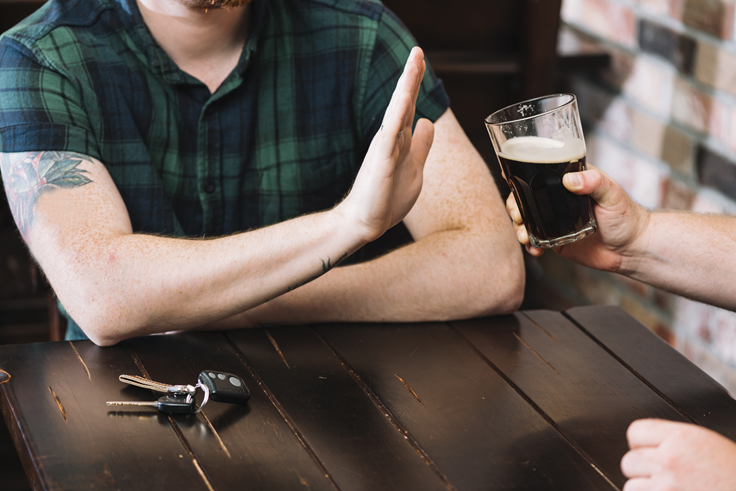
More than simply not drinking.
Sobriety can involve physical health, mental wellbeing, relationships, routines, support, purpose, and long-term recovery. The right approach differs from person to person.
Health & wellbeing
Learn how alcohol, sleep, mood, stress, and daily routines can interact — and when professional healthcare support matters.
Support & connection
Understand the role of trusted people, peer support, counselling, and qualified health professionals in recovery.
Life beyond alcohol
Recovery can also mean building meaningful habits, relationships, activities, and goals that make alcohol less central.
A practical framework for moving ahead.
These are educational starting points, not a medical treatment plan. If you may be physically dependent on alcohol, speak with a qualified healthcare professional before stopping suddenly.
Recognise
Notice your drinking patterns, triggers, concerns, and the impact alcohol may be having on your life.
Talk
Share what is happening with someone you trust or a qualified professional who can help you assess next steps.
Get support
Explore professional, peer, family, and community support options that fit your circumstances.
Build new habits
Strengthen sleep, movement, nutrition, relationships, and meaningful alcohol-free routines.
Understand triggers
Recognise people, places, emotions, stressors, and habits that may increase urges to drink.
Keep going
Recovery does not have to be perfectly linear. A setback can be a signal to reconnect with support and adjust the plan.
Start with the question that matters most to you.
Our guides are designed for people considering change, already living alcohol-free, or supporting someone else.
Understanding alcohol
Patterns, risk, dependence, and why your relationship with alcohol may change over time.
Starting recovery
How to think about support, safety, and the early practical decisions involved in change.
Staying sober
Habits, triggers, cravings, relationships, purpose, and returning to support when needed.
Supporting someone
How to listen, encourage professional help, maintain boundaries, and care for yourself too.
What sobriety can make room for.
These are areas people often choose to work on during recovery. They are not guaranteed outcomes, and everyone’s experience is different.
Sleep
Creating routines that support rest and consistency.
Energy
Rebuilding daily rhythms around movement and recovery.
Relationships
Strengthening communication, trust, and boundaries.
Purpose
Finding meaningful goals, interests, work, and community.
Recovery can involve more than willpower.
Different people benefit from different combinations of medical, psychological, peer, and social support.
Healthcare
A doctor or addiction specialist can assess withdrawal risk, dependence, physical health, and treatment options.
Counselling & therapy
Evidence-based approaches may help people understand triggers, thoughts, behaviour, stress, and relapse risk.
Peer & community support
Mutual-help groups and peer communities can add accountability, connection, and shared experience.
Questions people often ask.
These topics are expanded on the Sobriety Guide page and can later become standalone articles as the site grows.
Is alcohol becoming a problem?
Questions to consider without attempting to diagnose yourself.
What happens when you stop drinking?
Why experiences differ and why withdrawal safety matters.
What if I drink again?
How to respond to a setback without turning it into a reason to give up.